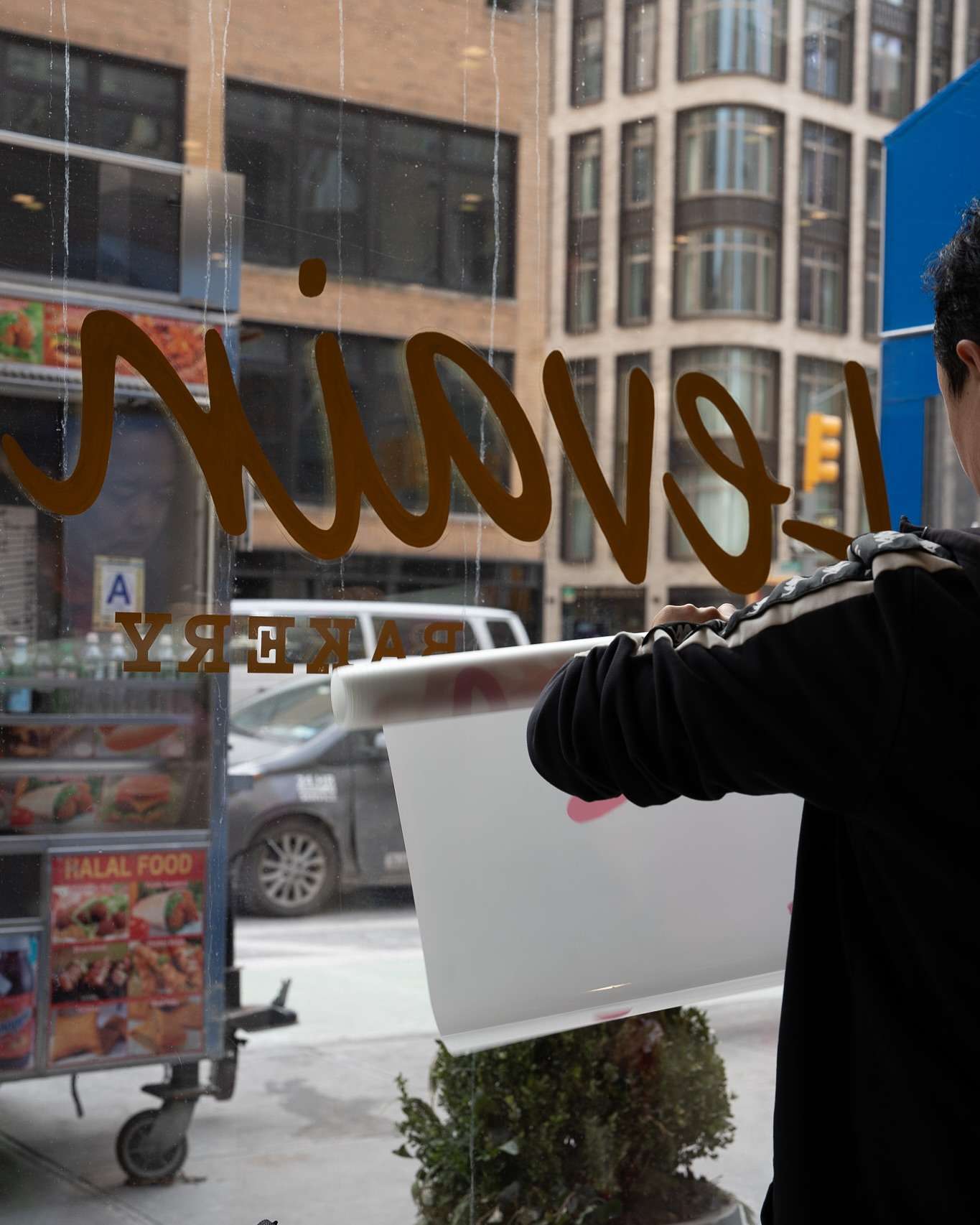
Beating the heat: Hidden challenges of summer vinyl installations

June 21, 2026
Ask anyone who’s installed a window wrap in July and they’ll tell you the same thing: summer doesn’t just make the job hotter, it makes the material itself behave differently. Vinyl that goes on smooth in March can turn into a fight in August, and if your crew treats every install the same way regardless of season, you’re eventually going to end up with bubbling, curling, or a graphic that’s stretched out of shape before it ever leaves the truck.
If you have a window wrap, fleet job, or outdoor architectural install booked this summer, you’ll want to know exactly how heat affects vinyl and the ways we plan for it—because understanding this is key to a smooth install.
Why does heat mess with vinyl in the first place?
There are really two things going on once temperatures climb. First, the adhesive gets aggressive. Cool or room-temp vinyl gives an installer a little forgiveness — you can lay it down, see a wrinkle, lift a corner, and reposition. Hot vinyl doesn’t offer that. It grabs the second it touches the surface, and if it grabs somewhere it shouldn’t, pulling it back up is how you end up tearing or stretching the graphic.
Second, the material itself goes soft. Normally, some flexibility is useful because it lets vinyl wrap around curves. But too much heat causes overstretching—the print distorts, and worse, the vinyl tries to shrink back to its original size over time. That’s usually what causes edges to curl or peel weeks after an install, no matter how good it looked on day one. To prevent this, you need to look beyond the forecast.
That’s why the number that actually matters isn’t the one from your weather app.
This is the mistake we see most often: someone checks the forecast, sees 85°F, and assumes that’s a safe install temperature. Air temperature barely tells you anything. What matters is the surface. A dark storefront window in direct afternoon sun can reach 120°F or more, even when the surrounding air is nowhere near that. Putting vinyl on glass that hot is basically baking it — the adhesive fails almost immediately and the film blisters. Before we ever peel the backing sheet, we check the actual temperature of the glass or panel with an infrared thermometer. Skipping that step is how good material turns into a bad install.
A job we’ve actually run into: the west-facing storefront
Picture a big multi-pane window wrap on a retail space with west-facing glass, scheduled for mid-July. By 2 p.m., that glass is unbearable to even touch.
Instead of fighting it, we move the start time. A 5 a.m. install means the glass is sitting at its coolest point of the day before the sun ever gets a chance to heat it up. We pair that with premium air-release vinyl, so even as temperatures climb throughout the morning, trapped air still has a way out rather than forming bubbles beneath the surface. The result is a clean, flat finish without forcing the crew to fight the material the whole time.


A few things people usually ask us
Can you install in direct sunlight at all? Not if you can avoid it. Direct sun rapidly raises the surface temperature, making the adhesive too grabby and the material too soft to control. Shade or early/late hours are almost always the better call.
Is there a sweet spot for temperature? Most commercial vinyl works best between 50°F and 80°F, but double-check the manufacturer’s spec sheet, as materials can vary.
Why does my graphic bubble up months later rather than right away? That’s usually one of two things — outgassing that got trapped because the surface wasn’t prepped properly, or vinyl that was overstretched during a hot install and is now slowly shrinking back, pulling away from the glass as it goes.
Bottom line
Heat doesn’t have to wreck a summer rollout. It just changes the playbook — earlier start times, surface checks instead of weather-app guesses, and the right material for the conditions. That’s the difference between a wrap that looks sharp for a season and one that looks sharp for years.
Got a large-format job this summer? Don’t risk costly mistakes from heat—contact Bullseye USA today. We’ll schedule a call to review timelines and materials, so your install lasts for years, even in the toughest conditions. Let’s get your project started right—reach out now.